


ECONOMIC VITALITY REVITALIZED 2020 AND NOW IN 2021 GIVEN SPECIFIC INSTRUCTIONS...completed survey by end of 2021.
http://www.aboutweston.com/CTtwentyfirsteconlanduse2003.pdf


ABOUT TOWN REPORTS LIVE FROM P&Z HERE
AN ENCYCLOPEDIA OF EASEMENTS: https://www.water-law.com/water-rights-articles/law-of-easements/
PLANS CAN BE DEVELOPED FOR ALL TASTES: Community development style (Goals, Objective, Strategies and Programs), CT Plan of C&D, and our own type of planning - see our PLAN here.


Local Regional and State planning and get ready for our version of the NEW Town Plan Update. How does CT Plan of C&D relate? And in 2018, be sure to watch HB5045...Groundwater?
N O T H I N G I S E V E R N E W . . . O R I S I T ? R E - D E V E L O P M E N T O F S O U T H W E S T E R N C T U S E S H E R E . . .
- NEWS :
- Our reporting on ZBA Public Hearings
- About Weston P&Z reports.
- 2018 Legislature does not pass HB5045 as either proposed or amended (only House voted on it);
- What's up at Weston Center?
- 2017 Legislature passes bill saying non-conforming uses are forever: https://www.cga.ct.gov/asp/cgabillstatus/cgabillstatus.asp?selBillType=Bill&bill_num=SB00944&which_year=2017
- TWO TOPICS the focus of "Conversation" at Weston High School Auditorium April 22, 2017 (Earth Day) and whoa!!! Not so fast, P&Z!!!
- CT COGS MEET IN THE CAPITOL MONTHLY
- "In yard dwellings" task force - became the law; Weston opted out for now.
- Housing Segregation bill SB752.
- Easton battle against development in watershed lands news: http://www.ctpost.com/business/article/Judge-ends-Easton-battle-over-development-8380992.php
- And guess what's coming around again? From the CT MIRROR: http://ctmirror.org/2016/04/19/could-ct-see-another-wave-of-sprawl/
- Special Building Committee meeting March 22, 2016 - more input there too...
- Even hotter time coming - A.A.C.D. withdrawn; P.H. : https://www.youtube.com/watch?v=wyOclQCMb9o&feature=youtu.be
- Blast from the past: We had just been elected to the P&Z: From The HOUR https://www.thehour.com/realestate/article/Famed-conductor-s-1938-mansion-for-sale-in-13327343.php

ZBA 1-25-22 Public Hearing/Decision


CHALLENGE TO P&Z APARTMENT REG. "ATTACHED" 800 sqft apartments ONLY? As it turns out, ZBA didn't think this was part of their decision.
Tonight ZBA addresses familiar property with great history. New owners of the former Alice Delamar estate got approval 4-1 for a 2nd apartment unattached for a second grandmother!
Chairperson for 2022 is Ilene Richardson and Vice-Chair. Don Scarborough.
_____________________________________________________________________________________________________________________________________________________________

ZBA Thursday Dec. 9, 2021 Public Hearing at 7:20pm - 8:47pm on Zoom.(above).
Zoning Board of Appeals DENIED application for variance to pre-existing non-conforming structure because no hardship shown.
_________________________________________________________________________________________________________________________________________________________

ZBA Sept. 28, 2021, 7:30pm, Zoom - only item plus approval of minutes Aspetuck Valley Country Club
Of the 5 members present, four voted approval of variance one did not consider reasons provided by AVCC as justifying granting a variance.
________________________________________________________________________________________________________________________________________________________________


ZONING BOARD OF APPEALS AUGUST 25, 2021
Public Hearing at ZBA on variance application:
- Staff described the history of Special Permits (1970 revision of Zoning Regulations).
- AVCC representatives not shown above - but the plan is, and was represented by club manager, who explained that membership is back up @400, but parking has tripled since 1970.
- Public Hearing continued until September.
Above right, ZBA holds "pre" application meeting on future expansion of a building on a non-conforming lot that requires waiver to local flood plain regulations.
______________________________________________________________________________________________________________________________________________________________
THE AUDIO RECORDING OF THE VIRTUAL PUBLIC HEARING JUNE 6, 2020

- Village District adopted Oct. 2021 replacing Shopping Center District
- P&Z ADOPTS DRAFT PLAN - READ IT HERE (PLUS APPENDICES) - PUBLIC HEARING April 4 - COVID-19 interferes and June 6, 2020 is the "virtual" public hearing.
- The C.G.S. SAYS THIS about the specific questions above...
- The full C.G.S. text: https://www.cga.ct.gov/current/pub/chap_126.htm#sec_8-23


TOWN CENTER MASTER PLAN as presented by Milone & MacBroom June 24, 2019. They will assist with housing/center of town zone draft (11-2-20 P&Z meeting notes)
TOWN PLAN UPDATE BEGAN WITH CITIZEN SURVEY...AND SURVEY COMMITTEE ATTENDED BOTH CHARRETTES.
Full report now up on the Town of Weston website: http://www.westonct.gov/media/file/2018SurveyReportpresentedtoPZCon1-7-18.pdf
FOLLOW TOWN PLAN PROCESS/UPDATE HERE:

What happened at TOWN CENTER MASTER PLAN presentation above?


What happened at CHARRETTE #2?
- Lots of interaction/input from somewhat smaller crowd. "Smallest" member of the crowd: - W.I.S. student studying the Town Plan.
- Concept #1 was not my favorite. About Town preferred the second concept - here. All the questions I might have asked except for one were asked by others!
- Analysis of Q&A
After months of preparation and research, Milone & MacBroome and P&Z involve the public as the official beginning of the process!

P&Z MEETING REPORTS BY ABOUT WESTON...
Planning and Zoning Commission 7:15pm on Zoom.

IMPERIAL BRIDGE emergency access doomed?
Rec'd. PH on modification of subdivision approval - set for April 4th.
DISCUSSION AT LENGTH OF ADU MANDATE WORK - AROUND.

Apartment reg changes proposed. To be modified, revisions to be made.
- How many holes did they find in the proposed zoning regulation - and even the existing one...long discussion.
- PH on May 2, 2022 at 7:15pm location T.B.A.
Architectural Review Board for village district (and maybe other things)?
Process to hire said architect, 3 quotes for consultant discussed. 35 days for review...
Adjourned 8:45pm.
_____________________________________________________________________________________________________________________________________________
Great meeting! We are so fortunate to have such fine members of P&Z!!! Three lawyers, two architects, long-time former member of Conservation and an up & coming social activist.


- First full meeting for the newly elected Chair of P&Z.
- AVCC application to modify Special Permit approved unanimously - Clivus Multrum toilet proposed also used at Bisceglie Park.
- Minutes (2 sets) approved by consensus.

Ken Edgar passes the torch voluntarily...


Sally Korsh, new Chairman, James Carlon, new Vice Chairman
Planning & Zoning January 10, 2022, Monday, at 7:15pm -8:30pm - AVCC application rec'd, discussion of ADU ideas, election of officers
______________________________________________________________________________________________________________________________________________


Planning & Zoning Dec. 6, 2021 at 7:15pm - 9:18pm
2 Public Hearings opting out of ADU mandate and parking space limits. Eight (8) individuals gave input on ADU, 1 on parking space limits. NYTIMES on ADU issue.


Minutes of Nov. 1st and Nov. 15, 2021 approved (2 new members recused themselves on Nov. 1st minutes).
____________________________________________________________________________________________________________________________________________


Special PLANNING & ZONING COMMISSION MONDAY, NOVEMBER 15, 2021 at 7:15pm on Zoom...
- Weston Center "Lily's Market" interior alterations
PUBLIC HEARING - no public comment - approved and it will open late
January 2022. new owner pictured above (bottom left)
- Aspetuck Valley C.C. PUBLIC HEARING on Special Permit modification - no problema, unan., Chair. recused himself.
- Weston Gardens confirmation of pre-existing non-conformance (2 apartments plus garden center no owner living there). Originally established in 1920.
Adjourned 8:27pm.
_________________________________________________________________________________________________________________________________________________________


SPECIAL TOWN MEETING SAT. NOV. 6, 1pm WHS ATHLETIC STADIUM - approve agreement for use of Lachat. Planning approval or 8-24 given

Planning & Zoning November 1, 2021 at 7:15pm-8:23pm on Zoom
Public Hearings for Special Permits - Nov. 15th meeting
Lilly's Weston Market interior renovations at 7:15pm, AVCC at 7:45pm;
Weston Gardens being sold to another similar facility - confirmation on 2 apartments pre-existing regs needed.
Village District Special Permit and Site Plan Regulations approved with change to (c)iii - unanimous
ADU discussion - OPT OUT consensus, also more to come on parking regulation mandates potential opt out.
_____________________________________________________________________________________________________________________________________________

Special P&Z meeting 10-27-21 for 8-24 - positive report given...
- Presentation by Lachat Friends, architect and engineer, Town Attorney.
- First Selectman and quorum of P&Z present.
- New building reduced in size by 138 sq ft;
- No outside events.
- New septic system, we think we heard that...
- Meeting space for max 120 people.
- Year round ability to serve public.
- Conservation Commission to review building in December
- Unanimous vote for positive 8-124 report to be delivered at Nov. 6th at 1pm Special Town Meeting WHS Athletic Stadium.
___________________________________________________________________________________________________________________________________________________


- PLANNING & ZONING CONTINUED PUBLIC HEARING CLOSED - APPROVED. TO GO INTO EFFECT OCT. 18th
- Unanimous 6-0 vote to approve new Village District and Zoning Map but not before 8 speakers, some more than once, plus submitted testimony read into record.
- After 45 minute discussion, preliminaries for of ADU opt-out by year's end favored BUT...scheduling Public Hearing in time to get 2/3 vote to opt-out by both P&Z.
- And then the Board of Selectmen, (who favored ADU
proposal at LWV debate) can overturn P&Z's wishes...will LWV DEBATE 10-23-21 ask about this?
____________________________________________________________________________________________________________________________________________
PLANNING & ZONING PUBLIC HEARING OCTOBER 4, 2021

Monday October 4, 2021 PUBLIC HEARING ON VILLAGE DISTRICT, ZONING MAP
Commissioners impressed with turnout!
- 71 people logged in,
- 20 speakers,
- took 2 hours,
- left open for more written comments -
- Special Meeting in @2 weeks to finalized zoning regs. and map.
from Weston Center owners in writing - concerned the delay built in to making changes to their property in Village District as Special Permit procedure.
_______________________________________________________________________________________________________________________________________________
PLANNING & ZONING PUBLIC HEARING ON VILLAGE DISTRICT OCTOBER 4, 2021 ON ZOOM (7:15pm).

Brief discussion of changes made since last week, version dated 9-14-21, plus revised Zoning Map including Village
District final draft approved unanimously, 6-0, for Public Hearing Monday, October 4th on Zoom (7:15pm)
__________________________________________________________________________________________________________________________________________________
PLANNING&ZONING(7:15PM - 8:34pm) MONDAY SEPTEMBER 13, 2021

P&Z developing X-rated Zoning Regs?
Planning & Zoning reviews Village District draft, revisions to Zoning Regs, sets October 4, 2021 at 7:15pm Zoom Public Hearing, we think - will listen again tomorrow, we hope.
_________________________________________________________________________________________________________________________________________________


SEPTEMBER 8, 2021 P&Z MEETING AND WORKING SESSION ON ZONING (2 1/2 hours).
Richard Wolf made points on need for not overdoing rigid standards. At the end, it was agreed that specifics needed in certain permitted uses (i.e. spelling out types
of uses not to be allowed), but new zone to be easily changed if and when serious proposals made. Discussion of percentage of "affordable" units in Village District.
Full speed ahead as tempo picks up for Public Hearing before election day on Village District and change (new section 322 in Zoning Regs replacing "Neighborhood Shopping Center").
Actually, a very interesting meeting - waiver granted for a lot to access at a new location on the original subdivision (as build-up of vacant areas fill in, safer access achieved).
_________________________________________________________________________________________________________________________________________________
 l
l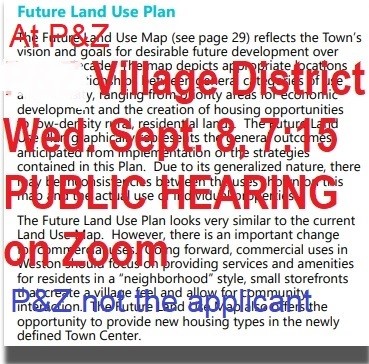

REVISIONS TO ZONING REGULATIONS DRAFT TO CONTINUE, WE THINK. Next week Public Hearing? WITHDRAWN at end of meeting...
SPECIAL PLANNING AND ZONING MEETING MONDAY AUGUST 30, 2021 AT 7:15PM ON ZOOM
No more "Neighborhood Shopping District." With many disagreements, P&Z plowed ahead - we left after 2 1/2 hours...we listened to the last 10 minutes on Vimeo (THANK YOU)...
_________________________________________________________________________________________________________________________________________________
Planning and Zoning Monday August 2, 2021 7:15pm - 8:55pm


Lot development plan for lot on Old Farm Road to come back at September 8th meeting with wording that justifies waiver of all 4 conditions in Subdivision regulations.
Public Hearing opens on "Gateway" floating zone at 4 corners September 8th - to be continued for 65 days, we think we heard.
Introduced was a replacement for Mike Zuba, who had handled the work on the new Town Plan along with Ms. Esposito. To her left, experienced area planning consultant.
And unless we didn't hear it correctly, "Village District Regulations" presented in September as well (???). Included, a resident who offered expertise in development (not pictured).
__________________________________________________________________________________________________________________________________________________
MONDAY JULY 19, 2021
GREAT MEETING - only an hour - watch it when you can in re-run.

Planning & Zoning Commission Chairs. from Greenwich, Ridgefield, Westport join discussion about:
- Village Districts,
- overlays,
- housing units above stores,
- shared parking,
- speeding up process,
- what kind of uses and how to do it in village district,
- ADU's: detached, area v. CT median income, all others have city water,
- community septic in small house cluster.
__________________________________________________________________________________________________________________________________________________

PLANNING & ZONING TUESDAY JULY 6, 2021 at 7:15pm on ZOOM (since the holiday pre-empted their regular Monday time)
We attended full P&Z meeting - approved Affordable Housing Plan unanimously, received new application for "Gateway" to Weston zone - PH set for Sept 8, 2021.
Discussed Cannabis legalization as it relates to action by P&Z.
____________________________________________________________________________________________________________________________________________________
Breaking news...public interest on Zoom appreciated by one major Commission - NEXT MEETING JULY 6th to approve the Affordable Housing Plan.
Zoom meetings to continue if P&Z is any example - BRAVO P&Z members who spoke out on this!!!

PLANNING & ZONING tonight at 7pm on Zoom - LINK TO AGENDA:
Special Meeting for review and discussion of Weston's affordable housing plan - AFFORDABLE HOUSING PLAN
Spectacular meeting one hour long, thoughtful and detailed session on what might "count" (i.e. Weston's "tax forgiveness" is uniquely generous) in the Regional Plan for Affordable
Housing by WestCOG.
________________________________________________________________________________________________________________________________________________
Woodbridge Affordable Housing story latest that relates to us:
https://ctmirror.org/2021/06/08/woodbridge-zoning-officials-take-a-small-step-toward-affordable-housing/


Agenda 6-7-21 includes two big items - HB6107 (affects zoning) - left - and Lachat 8-24 referral from Selectmen.
Plus the always interesting "Any other business?"
Nothing doing - there are ongoing discussions re: Compromise proposal on Lachat. Vote to receive 4-1 after Chairman and another member recuse themselves.
____________________________________________________________________________________________________________________________________
GREAT JOB P&Z!!! Will the Special Session make a difference?
OUR TAKE ON AFP WORKSHOP MAY 17, 2021: 2 hour webinar, 16 speakers from audience (3 minutes not enforced), WESTON RESIDENTS ONLY.


 this process...
______________________________________________________________________________________________________________________________________________

Planning & Zoning Special Meeting at 2pm Monday via Zoom - one item on agenda - site development plan for one lot on Byebrook (Michael's Way) approved. 20 minutes.
_____________________________________________________________________________________________________________________________________________________________________
SPECIAL MEETING MONDAY APRIL 26, 2021
As we heard it, there were comments taken seriously about AHP from the small audience. M&M stated that these workshops as well as the "survey" were not intended to be serious representations
of true "surveys" but were consistent with other such events held for the Town Plan 2020 process. Bottom line: What happens in the center will be all that Weston will do for now on AHP. Also.
focus will now turn to Village District, perhaps expanding the suggested limits to include parking lots and potential parking lots abutting. Also, that the four choice for the center plan to address
might be mixed use, smaller lots, town homes, small-multifamily units.
ADU issues - see above. These are in limbo until the CGA has spoken. P&Z reviewing data about permis for apartments extant.
April 19,2021 at 7:30pm (after tri-board meeting at 6pm...) continued April 26 for discussion open to public to comment at the end.

Very long P&Z workshop gets comment that This was not a representative sample from Survey/Research Committee member
This was the first outreach to community - and the Chair. mentioned that the Legislators just explained how terrible the bills (i.e. SB1024) could be...which had an impact on following meetings.


Affordable Housing consultants and a workshop afterward beginning at 7:30pm on Zoom - until 10:04pm:
NOTE: If you cannot attend live, check out the Community Survey here. Only half of those on the Zoom actively participated - can we assume they disagreed or not?
https://www.cga.ct.gov/2021/TOB/S/PDF/2021SB-01105-R00-SB.PDF - SB1105 is the one Sen. Hwang warned of at the Tri-Board meeting - guess what... OMB OPPOSES IT
__________________________________________________________________________________________________________________________
Below the earlier meeting where application was accepted and scheduled for PH....big turnout, but smaller, on April 4th.

PLANNING & ZONING APRIL 5, 2021 at 7pm
At this Regular Meeting it was announced that responses to Affordable Housing questionnaire came in over 1500 so far - returns accepted thru April 7th. Applicant re: Overlay Zone at "4 corners"
discussed and will continue with attempt to have symbiotic relationship with "Village District" progress. Chair. updated folks on all the ongoing activities implementing the Town Plan. 90 minute meeting.
______________________________________________________________________________________________________________________________________________________
P&Z Dec. 14, 2020 Special meeting at 2pm approves Affordable Housing Plan study by consultant who did Plan and does demographics for Board of Education.
Funding thru grant and $5000 from Selectmen.
____________________________________________________________________________________________________________________________________________________
P&Z December 7, 2020 rejected apartment regulation petition for enlarging to 900 sq ft for technical reasons, thanking the applicant for pushing the issue. Affordable Housing Plan discussed.
As was Village District.
___________________________________________________________________________________________________________________________________________________

P&Z November 2, 2020 approves flood plain applications and discusses Village Districts and Affordable Housing
P&Z Commission Chair. reminds the public of Saturday December 5th Public Hearing on apartment regulation size-change request proposed by an applicant:
https://westontoday.news/articles/201008-zoning-hearing
________________________________________________________________________________________________________________________________________________________
PLANNING & ZONING Monday October 5th - report online at Weston-Today
_______________________________________________________________________________________________________________________________________________________________
PLANNING & ZONING COMMISSION
Monday July 6, 2020 at 7:15pm via ZOOM
AGENDA: http://www.westonct.gov/media/file/PZAgenda762020.pdf
Please note that this document indicates the rough timing of how P&Z plans to go about implementing a Village District change to the current zoning ordinance. Background of what constitutes
a "Village District" can be found in the "backup" here. Which includes 8-24 on Davis Hill Bridge asking for land for construction access.
7:21pm

Present: Jane, Richard, Ken, Sally, Harry, Don; Jonathan, CTDOT.
Davis Hill Road Bridge: 8-24 discussion minor work. Joints, cracks, minor. River Road Bridge is going to be a big deal (new). Unan yes.

Accessory Apartments 345.4: 800 to 1000 sqft. Interior hallway not included. Two family house issue...second meeting in July for this.
Discussion/decision Village District Regulations: How will the newly adopted Town Plan vision for the center come to pass if at all?
- Affordable Housing grant by Selectmen. We will get the $15,000, First Selectman heard that any town that applied will be getting $$.
- Go back to Survey Committee to ask the people what they think/want?
- Discussion of first steps in writing regs - check out Easton...more discussion about how P&Z might develop Village District Regulations, timing.
We had to leave at @8:30pm - will listen to the rest perhaps in the coming days. And we checked the audio recording posted on the Town website and found that the meeting was 1 hour 31 minutes long.
We'll listen to the last 20 minutes now...
3 issues: Across from St. Francis for senior affordable housing, commercial 2)how to deal with Milone idea of design of a totally new Center? And 3) historic district. What does P&Z want? What's P&Z
vision? SURVEY. Ask developers. Owner occupied or renter? What do seniors want. Accelerate hiring a consultant? Maybe August? Direction. Consultant before developers. Leasing town
property. Any interest by developers. Don gives history.
Minutes: June 15, 2020 Moved seconded Unan. Adjourned.
_____________________________________________________________________________________________________________________________________________________
SPECIAL PLANNING & ZONING COMMISSION
Monday June 15, 2020 at 7:15pm on ZOOM
AGENDA: http://www.westonct.gov/media/file/PZAgenda6152020.pdf
Discussion/decision on approval, amendments etc. adoption date of new Town Plan of C&D.
Present: MSW, Don, Tracy, Ken, Harry, Britta, Richard, AnnMarie, Jane, Sally, Ted (CC), Helen, unknown, unknown, Jim,

7:21pm
Town Plan 2020. 173 pages.
Sustainability suggestion added by sub-committee (modified from Sustainability Committee suggestions).
Ken has typos. Also seeks to make it jargon-free. Pages are numbered differently in different places.
Harry, rain-water initiative? Senior housing? Harry's ideas circulated. Richard supports.
Village District, Accessory apartments the next step.
Jane, moved, Sally second - July 1, 2020. Unan. After typos there will be some hard copies.
Meetings in person? Re-Opening. Selectmen will continue meeting remotely.
Approval of minutes.
Adjourned, 8:07pm.
___________________________________________________________________________________________________________________________________
PLANNING & ZONING COMMISSION
Monday June 1, 2020 at 7:15pm via ZOOM
AGENDA: http://www.westonct.gov/media/file/PZAgenda612020.pdf
The approved minutes of this meeting: http://www.westonct.gov/media/file/PZMtgMinutes612020.pdf
_______________________________________________________________________________________________________________________________________

AGENDA for May 4th: http://www.westonct.gov/townhall/27652/28677/29272
This promises to be a really long meeting! They have not met since February...anything about the Town Plan? You bet! Virtual Public Hearing...
Present: Britta, Don, Ken, Sally, Harry, Jane, Richard. Tracy, AnnMarie. Applicants, neighbors and press.

Receipt of Application: Permission to Amend the Accessory Apartment Regs (Sec. 345.4 of Zoning Regs increasing the size of Accessory Apartments from 800 to 1000sqft): Mr. Ryan describes his
proposals. Gross floor area change. Finished or unfinished? Don: The Health District has to be involved. Well? NOT two family house. Affects the whole town. Wait to have a public hearing. They
have a C.O. for the bathroom and kitchen. MOTION Jane, Sally second - amend zoning regs.
7-0. More discussion before setting date for PH/
Discussion/decision Lot Development Plan Weston Woods Way: Some questions. (Have they walked it?) Is this a question for Conservation? Will be reviewed. Approved.
Discussion/Decision Lot Line adjustment 142, 140 and 144 Steephill then Approval of Lot Development Plan: Lot Line Changes required to be presented to the P&Z. Charlie Neiwenhaus.
Well explained. Lot line adjustment approved. 3400sqft house on the back lot. Dry hydrant that exists across the street to substitute. Encroachments by neighbors - adverse possession? Harry - are they
Ash? All dead trees will come down. MOTION: 143 Steephill subject to dry hydrant, approved.
(THIS IS NOT A PUBLIC HEARING)
Bond Release: Quail Ridge. Tommy Phillips Trust. Olive Phillips Estate. Carolyn Armbrust, Att'y. Subdivision had been completed. Nov. 2003 Town Engineer asked for reduced bond. "Iron pins" and
"Monuments" - then Olive Phillips died. Feb. 2019 Quail Ridge - April, all set. July 2019 letter minor requirements - driveway re-landscaped. Septic system must be resolved with WWHD. Existing dwelling
to be demolished before septic and underground tanks removed.
Neighbors: 1 Quail Ridge. 3 Quail Ridge. Is the Estate Issue relevant? Don't release bond. As-builts? A-2 not signed. Not a conforming road. Drainage? Cul de sac radius? Town Engineer is the one
relied upon - Armbrust. Why bring up this other stuff? Emerson Phillips: He has problems with the neighbors.
Former Town Att'y: Pat Sullivan: Bond is for "what would happen if the Town had to do it?"
- Is Estate issue relevant,
- Health issue,
- What was the bond for,
- Was there completion.
But check it out. Is it administrative. Up to staff to decide. Now there is a wetlands matter!!! Ken says the as-built be approved by the Town Engineer. Richard asks if As-Built should be prospectively done,
Not to Town Road standards. Does it meet the standards? Appropriate to delegate to Town Engineer. Letter from Mark Cooper.
Ken moves, subject for Town Engineer approval, Jane, seconds as amended - finds faults with small adjustments.
7-0.
Discussion/Decision 98 Georgetown Road extension of zoning permit:
Arctic Construction -2017 - 100 Georgetown Rd single-family lot. Appealed to ZBA. Circumstances require a one year extension to July 2021. Neighbor is Bob Walpuck (noted when the redo was going on).
What was the thought for 2-yr. expiration - why? C.G.A. change 8-13 (a) makes non-conforming stuff permanent. Whatever Conservation has to complain about is irrelevant. "Ownership is irrelevant?"
Arctic never owned it?
Then the Commission had to do a do-over because they had paused for a break and didn't hit record again. Town Attorney written view desired. Harry wants to know why we need to stand on our heads.
Town Att'y says to not discredit appeal. Conservation and ownership issues not related to granting extension. Will put it in writing. Ken thinks P&Z should wait and have a special meeting if necessary.
Move to June 1 meeting to get written opinions.
Discussion/Decision Town Plan of C&D - new date and format for Public Hearing on Draft Plan:
The world turned upside down. Great virtual public hearing. Received WestCOG letter. COG was complementary. June 6 or 13? Saturday. 9a.m? 10:30am. Same way Board of Finance did it! M&M to
be contacted.
Feb. 3, 2020 minutes - accepted.
Adjourn: 10:20pm - THREE HOURS LONG.
___________________________________________________________________________________________________________________________________________________

__________________________________________________________________________________________________________________________________________________
SPECIAL PLANNING & ZONING COMMISSION
Feb. 3, 2020 at 6pm, Town Hall Annex
AGENDA: http://www.westonct.gov/media/file/PZAgenda232020.pdf


In less than an hour, this is what happened:
- P&Z voted to approve AVCC new doors to their veranda, left above;
- Entertained request by Sustainability and Garden Club to include "pollinator pathway" in the Town Plan, right, above.
- Discussed the research to date on including Village District concept in zoning modifications and
- Reviewed the Western Connecticut Council of Governments new regional Plan - and will continue to do so.

Planning & Zoning Thursday January 2, 2020 at 7:15pm, Town Hall Annex - agenda.
We will not attend dues to conflict with Selectmen. But we did inquire from responsible sources what happened...
- POCD was approved (transmitted to Selectmen), and a Public Hearing date of April 4, 2020 set, no time or location yet?).
- Weston Center item: http://www.westonct.gov/media/file/PZMtgMinutes122020.pdf
_____________________________________________________________________________________________________________________________________________________________
Rescheduled for Dec. 9th

SPECIAL PLANNING AND ZONING COMMISSION MEETING DECEMBER 9, 2019 AT 7:15PM, TOWN HALL ANNEX
AGENDA: http://www.westonct.gov/media/file/PZMtgAgenda1292019.pdf same AGENDA:
OUR COMMENT BEFORE THE DEC. 2nd P&Z MEETING THAT WAS CANCELED BY SNOW
Please note that only the Commissioners have seen the first draft that we know of, so far. When will it be public? Well, if you are present Monday night, you can listen to their discussion. However, once
discussed in a public meeting, is it not a "public document" as far as F.O.I.A. is concerned?" No problema. We weren't planning to go to the meeting because of weather forecast - canceled at 3pm.
RE-SCHEDULED TO DEC. 9th - ALL COMMISSIONERS PRESENT PLUS CONSERVATION REP
We attended P&Z to hear about their recommendations for changes to the draft document produced by Milone & MacBroom. Although we could have claimed F.O.I. privileges and forced the Commission to
send me an electronic copy of the text file and the file with maps and charts, we did not do so.
Changes that will be made are:
- Sustainability Committee added wording as provided by Chair. including mention of Bronze status as a sustainable community.
- Town Counsel wording (we think this was about Village District, but we have no way of being sure of that);
- Staff recommendations.
Wednesday the P&Z
Chair. and perhaps another member and we think staff will visit Milone
& MacBroom in their offices in New Haven. The order of the
charts and tables was discussed.
The January 2, 2020 P&Z
meeting will be where the Commission approves the final version. A
public hearing must be held after 65 days of "public comment."
Simultaneously, the
Board of Selectmen will be sent copies for their approval and review. Changes may be made prior to adopting it.
BELOW WHAT I HEARD COMMISSIONERS ASK OR COMMENT ABOUT
The Commissioners then
began with comments first on the Center. Village District
mentioned several times. This discussion was still going on - but
winding down - when we left after 90 minutes.
As we have already thought,
the Plan is to be implemented immediately (at least the part P&Z is
responsible for) through changes in zoning.
There is a long chapter on affordable housing and
alternative housing opportunities. It was suggested to have small
houses on one-acre lots. Care should be taken to understand the
"apples and
oranges" character of the varying parts of state statute.
Specific parts:
- Discussion of moving the Onion Barn. Pro-con (recommendation softened after debate - more than one commissioner pointed out that there is no need to move it for the reasons stated in the draft};
-
What kind of Senior and/or Community center to have (joint one preferred
because that's what the Town Survey showed - we note that the new Town
Plan leans heavily on this survey).
- Bike-paths -
are they safe in Weston?
- And how about the bus depot?
- Commissioners thought the Plan Draft was very well written.
__________________________________________________________________________________________________________________________________________________________

________________________________________________________________________________________________________________________________________________________________

PLANNING & ZONING HAD REGULAR MEETING MONDAY - Oct. 7, 2019 at 7:15pm in the Town Hall Annex
1. Discussion with Sustainability Committee (Amy Kalafa) and
2. Town Attorney reports on "village district." Can be included in the Town Plan without regulations spelled out (Ira Bloom and his partner pic) – report submitted here.
3. Minor matter: Driveway on Briar Oak Drive partial paving to be checked by Town Engineer but approved otherwise.
4. Code Enforcement language change discussion to continue.
Town Plan:
Draft to be completed by Milone & MacBroom in October,
Reviewed by Commission members individually in November and
Made public on December 2nd.
Sent to Selectmen who will hold a Public Hearing...
LAST TOWN PLAN WORKSHOP, 7:30pm WMS Library - our report.
________________________________________________________________________________________________________________________________________________________________
SPECIAL PLANNING & ZONING COMMISSION MEETING
Thursday September 12, 2019
Town Hall Annex
AGENDA: http://www.westonct.gov/media/file/PZAgenda9122019.pdf
This will be a discussion (separate) with three entities that have input into new Plan (we will have to read the minutes if any are taken):
- Beautification Committee
- Historic District Commission
- Parks & Rec
____________________________________________________________________________________________________________________________________________________________

AGENDA: http://www.westonct.gov/media/file/PZAgenda8282019.pdf

Special Meeting at Planning & Zoning runs about 2 hours.
- Positive 8-24 for Onion Barn area improvements including emergency access improvements/drainage.
- It was retro time for About Weston, as one of the items not decided was about a 1987 subdivision!
- That drainage question had prompted P&Z at the time to study the sub-watershed...
- TOWN
PLAN DISCUSSION: Commission on Aging Chair. was eloquent and
forceful is his presentation in behalf of Weston seniors.
- And last on the agenda a pre-application discussion with senior couple about suggested revision to apartment regulation.
__________________________________________________________________________________________________________________________________________________________

AGENDA

SO WHAT HAPPENED AT P&Z JULY 29, 2019?
- WESTON SHOPPING CENTER: Requested confirmation of adequacy of parking space design by professional engineer in writing
- "TIGHTENING UP" Regulations" -Language change for clarity in subdivision regulations to support Zoning or "Code" Enforcement Officer
- Fire suppression wording in regulations permits P&Z to grant waiver and such was done for property in Weston Woods Subdivision
- Lengthy discussion about Town Plan update:
- And we note that Monday September 9th at 7:30pm in the Middle School Library will be a P&Z Meeting and WORKSHOP on the full Town Plan (not just central area) in terms of a few topics:
PLANNING AND ZONING WILL NOT MEET IN AUGUST (except for special meetings on the Town Plan).
- Open Space
- Pedestrian connectivity
- Sustainability
- Housing
____________________________________________________________________________________________________________________________________________________________

AGENDA

TOWN GREEN 8-24 POSITIVE REPORT
Later in agenda, discussion re: which other entities to assist with the Plan Update. Power Point.
The "8-24" process (from State Statutes)
P&Z deals with the Town of Weston's proposals for action on its own property.
- Weston exempted itself from zoning on its own lands in the 1970's.
- However, P&Z in its zoning capacity may designate such property as "commercial" (i.e. - retail, offices).

As noted, other items (bond releases) and informal discussion about use of "riding stable" special permit accomplished.
Long discussion about "Center" plan. As well as discussion of who else in Town government should be involved. Including "stake-holders."
- Housing (elderly) reuse of various properties including some at "4-corners" to strengthen "walkable" Town Center;
- Possible traffic investigation of capacity of roadways at peak hours including intersections (turning movements), limiting curb cuts, etc
- And what it means if "build-out and they don't come?"
- Survey and Research
Committee has done cross-tabs (not released to the public as far as we
know) of their Citizen Survey 2018 results.
____________________________________________________________________________________________________________________________________________________________________

Special Meeting on Monday June 24th at 7:30pm in the Weston Middle School Library.
We counted @38 in attendance for this "Town Center Plan" presentation, which is now ONLINE HERE.
Our report here.
Planning & Zoning Chair. announced the intention of receiving the report and hold further discussions at the Commission meetings (Town Hall Annex) and possibly "Special Meetings" in
other locations as fitting for the topic. The P&Z will be entertaining changes zoning in 2020 to reflect some of the recommendations in the full, final Milone & MacBroom report.
______________________________________________________________________________________________________________________________________________________________

P&Z MAY 6, 2019 AGENDA (revised): http://www.westonct.gov/media/file/PZMtgAgenda562019Revised.pdf

Lot Development Plan approved after discussion.


Weston Water Study Review: Presentation by former Vice-Chair. of technical work done in 1987-89 and the recommendations in 1993 as Weston Water Study published.
- During the discussion reference was made to USGS 2017 study of naturally occurring arsenic in private wells.
- We refer those interested in following up on this to click here: http://www.aboutweston.com/SustainableStudy2012.html#usgs5-3-17
__________________________________________________________________________________________________________________________________________________________

AGENDA: http://www.westonct.gov/media/file/PZMtgAgenda412019.pdf
 .
.
(L) Photograph by M.S. Wirtenberg, 1987. (R) Watercolor (part) by M.S. Wirtenberg, @20 years later
.


COBB'S MILL INN DISCUSSION TO BE CONTINUED MAY 6th...
With Town Attorney present the full exploration of what might be done to assist in the rebirth of Cobb's Mill Inn was had with contract purchaser who desires to restore it.
___________________________________________________________________________________________________________________________________________________________
P&Z AGENDA included Weston Library 8-24, approval of minutes and general Town Plan discussion...

WHAT ADDITION? What is tree obscuring on this rendering?
We did not attend this meeting due to conflict with Board of Finance review of Board of Selectmen's budget...but our sources - three of them - confirmed a positive 8-24.
_______________________________________________________________________________________________________________________________________________________________

Beginning 15 minutes earlier Tuesday...next presentation by Milone & MacBroom - at Weston Senior Center.
___________________________________________________________________________________________________________________________________________________________


MONDAY ACTION ON...
TOWN HALL/FIRE STATION/EMS 8-24 approved. Receipt of Library addition application, review ramp Historical Society. Pre-application discussion on Cobb's Mill Inn.
_______________________________________________________________________________________________________________________________________________________________

SPECIAL PLANNING & ZONING COMMISSION MEETING
Monday, January 14, 2019 at 7:15pm
Town Hall Annex
AGENDA: http://www.westonct.gov/media/file/PZMtgAgenda1142019.pdf


Nature Conservancy item withdrawn
On a 6-1 "vote" or show of hands, one "no" from a member who questioned preempting the Town Plan project by taking Town Land off the table, P&Z positive on 8-24 for Fromson-Strassler.as
potential for open space grant via multi-town A.L.T. Various members had astute observations related to what we want and what the people want, for Weston, in the future. And the importance of
defining our borders in green (my summary of what was said).

The public was invited to speak and they did.
____________________________________________________________________________________________________________________________________________________________
JANUARY 7, 2019 MEETING WILL INCLUDE MILONE & MACBROOM PRESENTATION - major part of the long meeting.

RECEIPTS AND SCHEDULING FOR A.L.T. ITEM
Interesting brace of 8-24 requests. Receipt for Town of Weston Town Hall-Fire House/EMS/Communications. Town Plan presentations: http://www.aboutweston.com/TownPlanofficialupdate.html
__________________________________________________________________________________________________________________________________________________________________

AGENDA INCLUDES TOWN PLAN AS WELL AS "IMPROVING TRANSPARENCY AND COMMUNICATION" - P&Z goes over every point carefully and actually makes good suggestions to those
present. They are restricted in what they can do, but showed great willingness to do what they can re: "P.O.C.D." meetings.

"REQUIRED READING"...it has been our experience, regarding "projections" that the Board of Ed always like to err on the high side.

PROJECTIONS IN APPENDIX
In addition, the Chair. referred all members (everyone was present) to the 2017 Facilities Study from the Board of Education
______________________________________________________________________________________________________________________________________________________________


TO THE "PRINTER" A.S.A.P.: Regarding the returns, in a universe of 10,000, a return of 587 would get you 95% confidence, according to Surveymonkey.
- The Survey Committee is doing testing to see how the questions and the whole process is working.
- Isn't the sample size too small?
- Community Groups with mailing lists to be urged to broadcast this news.
_________________________________________________________________________________________________________________________________________________________________

AGENDA
The main business on this Special Meeting agenda was a Public Hearing on a revised or re-subdivision - actually a reduction to redrawn property lines and only one new house. The underlying subdivision
approved originally in 1991 remains. This is off Godfrey Rd west hard by Pent Road. A very wet 8 plus acres. Picture story below:


ATTORNEY AND ENVIRONMENTAL CONSULTANT
New 4-bedroom home site with access not off Godfrey Rd (a good thing in terms of reducing curb cuts on busy cross town street).

NEIGHBOR ACROSS THE STREET
Stumps dumped in wetland - can P&Z put a condition on removal? Answer - no. Conservation Commission/Officer approval needed to permit applicant to do this.


RERESUBDIVISION
Unanimous approval after closing Public Hearing, Lot development plan revision approved.


OTHER BUSINESS:
Bond released 99 Norfield Rd. one of two lots. Next meeting Nov. 5th - no release of draft questions to Senior Center.

TOWN PLAN UPDATE REPORT BY CHAIRMAN:
Survey Committee to meet October 29 (Town of Weston website indicates at 7pm in Town Hall Meeting Room). Questions in e-mail survey.that might help with Plan to be included?. Will this be on Town TV?.
- Postcard to everyone in town
- E-mail survey to go out Nov. 15 return by Dec. 15.
- Beautification
Committee architect/member asks about where sidewalk plans by the the Town might include additions to this new feature.
______________________________________________________________________________________________________________________________________________________________
We did not attend the Special Meeting on Sept. 12th because we were at the TAX SALE - link to the unapproved official P&Z 9-12-18 minutes now available.
Regular Meeting Agenda for Wednesday Sept. 5, 2018
http://www.westonct.gov/media/file/P%26ZAgenda9.5.18.pdf

PUBLIC HEARING
Presentation by applicant, questions from P&Z. Neighbor spoke plus About Town, Public Hearing closed, vote to approve (unan.)


DRAINAGE STRUCTURES TO COMPLY WITH E.P.A.
Above left and center is history - @2005-2006. Paving proposed, traffic modifications to comply with MS4 STORM WATER REGULATIONS.
OTHER BUSINESS
Commission ready to start work on Town Plan at a Special Meeting re: Community Survey - this will be first. ________________________________________________________________________________________________________________________________________________________
Meetings related to Town Plan posted for Tuesday, September 4, 2018, all in the Town Hall Meeting Room:
- DONE - 9am, P&Z invite the Selectmen to discuss special appropriation of $27k for Town Plan consultant - gained approval.
- 6:45pm, P&Z meets to first have Executive Session and then come out to vote on consultant selection - Milone & MacBroom.
- 7:30pm, Special Board of Finance Meeting which we suspect will have a request for Special Appropriation for Town Plan.
- 7:30pm, P&Z, Town Hall Meeting Room: Posted so that everyone could attend and speak
PLANNING & ZONING
Special Meeting August 23, 2018, 7:15pm (Thursday)
Town Hall COMMISSION ROOM.
AGENDA: http://www.westonct.gov/media/file/P%26ZAgenda8.23.18.pdf

THIS IS WHAT AN EXECUTIVE SESSION LOOKS LIKE...
We attended P&Z tonight, August 23rd. As noted elsewhere, Weston is a beautiful place.
Present were 5 of 7 members (including its three lawyer-members plus the Land Use Director who is also a lawyer).
In the waning days of summer vacation, the hardworking members of the Commission met behind closed doors in Executive Session on selecting a firm to assist with the Town Plan update..

3 DOWN, 10 TO GO - COULD SOME OF THIS MONEY GO TOWARD THE PLAN?
While we were waiting for a resumption of the meeting, we took another look at the TAX SALE board (Sept. 12, 2018 is the date of the event.) We did some quick math: Of the ten (10) properties
left, the total value of tax due appears to be north of $1,260,000 (not including additional charges for other bills due to the Town of Weston, if any).
After @50 minutes, we waved adieu from the walkway outside the Commission Room and left P&Z to their discussion about the Town Plan consultant selection...
_________________________________________________________________________________________________________________________________________________________
AT P&Z July 30,2018. Minutes from July 23rd meeting here: http://www.westonct.gov/media/file/P%26ZMtgMinutes7.23.18.pdf


AGENDA: Still no "white smoke" at P&Z...in other words, no decision on Town Plan consultant that we've heard.
-
Receipt of application for re-subdivision, part of previous "Wild Things" subdivision.
- Approval of lot development plan on difficult lot;
- And preliminary non-binding presentation of special
permit application for museum/art space. Proposed for location
near Historical Society. "Why not in the center of town?" some
asked.
_______________________________________________________________________________________________________________________________________________________________________________________________________________
AT P&Z JULY 9, 2018


30 minute pre-application presentation for Village District. Implication was "please don't come in with an application until we're finished with the Plan" and I understood it to mean nobody
was interested in encouraging a piece by piece approach to making change...until they had a picture of where the Town was headed overall.
--------------------------
TOWN PLAN CONSULTANT INTERVIEWS
We did not attend any of these. Please refer to July 23rd minutes now online: http://www.westonct.gov/media/file/P%26ZMtgMinutes7.23.18.pdf
___________________________________________________________________________________________________________________________________________________

NEW CHAIR.
After Election 2017, balance of power on P&Z shifts...
________________________________________________________________________________________________________________________________________________________________

P&Z AGENDA OCT. 2, 2017, 7:15pm, portables.
Looks interesting to me! In addition, discussion about Town Plan update. And Legislative update on non-conforming uses (as in now they are "forever for sure").
SO HOW CLOSE TO REALITY ARE ALL THESE CONCEPTS?
Planning & Zoning agenda discussed Cobb's Mill Inn. What would be possible under zoning. And speaking of as-of-right zoning, TEMPORARY HEALTH CARE STRUCTURES law unless opt-out provision
taken by Selectmen. Plans for the future.


Members of P&Z plus staff.


FIRST TOPIC: Temporary Health Care Structures as of right. Public Hearing opened and closed with one speaker from the public plus exofficiary member comments.


SECOND TOPIC: Cobb's Mill Inn possibilities with interested citizens listening to proposal as well as the Commission.
THIRD TOPIC: Legislation re: Non-Conforming Uses. Which relates above. In short, CT trying to make law and prevent non-conforming use from being extinguished.
Nothing much on Town Plan update discussion.
_________________________________________________________________________________________________________________________________________________________________
But there is a fix: http://www.stamfordadvocate.com/local/article/Some-wells-in-state-have-high-levels-of-arsenic-11124786.php
U.S.G.S. link to full research report
STATEWIDE WATER SAMPLES
High levels of toxins found in wells
By Amanda Cuda and Kevin Schultz
WESTON — Water samples from nearly half of more than 100 private wells in Weston have been found to contain unsafe levels of arsenic.
That is according to a new report from the U.S. Geological Survey which found that water from private wells across the state — including those in Weston, Wilton and
Stamford — contain levels of arsenic and uranium that exceed the the safety threshold set by the EPA...


What does this mean for those who don't speak "groundwater?"
Excellent report in The DAY: http://www.theday.com/article/20170503/NWS01/170509755
And the full study link: https://pubs.usgs.gov/of/2017/1046/ofr20171046.pdf
--------


T O W N P L A N N I N G T O O L - K I T
Scan down to check up on what's new at P&Z...as well as at the now online CT Councils of Governments Association


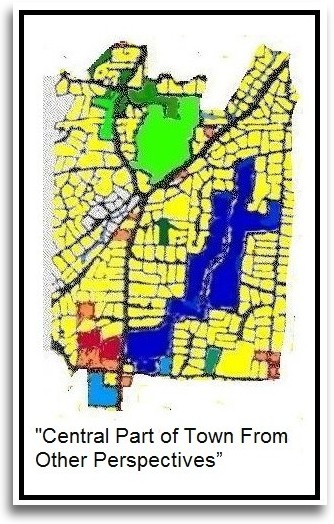
BUILT ENVIRONMENT MEANS URBAN DESIGN. CAPITAL BUDGET FY'18. FORM-BASED: Model of "new town planning" project design, "Weston Environmental Resources Manuel" Protection Zones; 2015 aerial photo of Weston. Besides
protecting schools, we like to protect open space - now "active" type, too!
ONE HOT TOPIC FOR P&Z...
It passed in Long Session 2017
TASK FORCE TEMPORY HOUSING - Z.B.A. Appeal


AS OF RIGHT - prefab, mobile homes too. Time frame or not. notice, PH or not.
Watch out for this in the upcoming session!!! Lots of data discussed - is it online? LINK: https://www.cga.ct.gov/asp/cgabillstatus/cgabillstatus.asp?selBillType=Bill&bill_num=SB00922&which_year=2017
___________________________________________________________________________________________________________________________________________________________
LOTS OF INPUT FROM TOWNS AND COUNCIL OF GOVERNMENTS
STATE PLAN OF C&D COMMITTEE PUBLIC HEARING APRIL 23, 2018, HARTFORD
The fact that only one individual came to the Capitol decries the the fact that this was a "ground up" planning effort.


HINT: Click on MAP above left for actual CT Plan of C&D 2018-2023 map and click above right to make layering legible PLUS traditional LEGEND
OUR SUMMARY: The big changes had come last time. It was emphasized that the LOCATIONAL MAP is better this time


CT PLAN OF C&D UPDATE
April 23, 2018 Public Hearing, 10:30am begins with testimony of OPM staff.



LEGISLATIVE HAMMER ON INCLUSIONARY ZONING - LINK TO WHAT HAPPENED
In advance of this Public Hearing we assume there will be cries related to enforcing changes made in the 2013-2018 CT PLAN


Commissioner Kalafa and Dan Morley, Ass't . Commissioner and staff.
- State P.O.C.D. emphasizes all plans in state government are coordinated.
- State projects over $200,000 is limit for State Agencies comply.
- Priority Funding Areas.
- Exception process allows local plan to take precedence.
- This time around, you need 2 items of the five to be considered urban. What are the five?


ZONING/HOUSING OPPORTUNITIES - CLIMATE CHANE (Fairfield Representative). MULTI-FAMILY HOUSING DEFINITION
Deed restrictions get in the way - Sen. Osten. 8-30G gets in the way. HA HA - "accessory housing" included by Rep. Lemar.now!
Only one person spoke at the public hearing other than OPM.
______________________________________________________________________________________________________________________________________________________________
STANDING COMMITTEE ON STATE PLAN OF CONSERVATION AND DEVELOPMENT
Wednesday, August 16. 2017, 12 noon to 1:30pm, L.O.B.


Dan Morley, others pictured on this page give testimony.
Plan of what state is planning:
GROWTH MANAGEMENT PLANS
LOCATIONAL GUIDE MAP


NEXT SESSION LOOK FOR PLANNING POWERS TO REVERT TO REGIONS/COGS DISCUSSION
- Glastonbury open space funding grant decried (State Bond Commission grant to make adffordable housing site into conservation property funded by the state).
- One-pager requested before public hearings and press releases...and social media contact to other legislators.
WHAT IS IN THE NEW CONNECTICUT PLAN OF CONSERVATION AND DEVELOPMENT FOR WESTON? WHAT DOES WHITE AREA STAND FOR? WE'LL TRY TO FIND OUT!


_________________________________________________________________________________________________________________________________________________________________


Logo above for planning layer cake - State, Regional and Local.

Connecticut Association of Councils of Governments
June 9, 2020 virtual meeting
COG COVID-19 funding...what is the scale of funding? How much staff time? Herding cats. Direct
expenses - lawyer $$. $50-100,000. Retro-fitting offices. Cleaning costs, technology. Meetings?
Webcams and headsets. ZOOM? What's eligible? Same as municipalities. CARES, CRF funding
sources. @$1 million for all COGs. Are these number amendable? Turnaround on decision?
Finance directors of all COGs to meet prior to Friday submission. Recovery funding? Who's
keeping track? S.E.D.S. need to be redone. Protocols. Office opening to Phase 3? Remote.
35 minutes of a 1 hr and some minutes event...
______________________________________________________________________________________________________________________________________________________________
June 12, 2019 meeting of CT COGS


Summer School - focus because Short Session coming! JMO.
New Chair. (l) proposes that his organization offer up legislation "ready to go" because this will be a Short Session in 2020 (Feb - May).
Discussion ensued. Including thanks from OPM for COGs help especially in the waning weeks of the Long Session. He remarked that they had been caught off guard by vehemence of opposition
on regional school issue.
Others suggested the time frame was too tight to skip work in the summer if this plan ("ready to go") were to be successful. Others who spoke don't have staff or time to allot to it - actually, having
worked for a small regional planning agency myself many years ago, accounting for time must be able to fit into a budget whose sources of funds could be Federal, State or local dues. Not easy to
find $$ to pay for this kind of effort.

BINGO! GOOD FOR WESTCOG!
One regional planner noted that his agency feels that the issue of "not having counties" is worth exploring as related to CT not being eligible for Federal Funds dedicated for that intermediate level.
Economist retained to analyze how funds are dispensed re: CT regions' eligibility for some of this$$..
Meeting 58 minutes long - we watched online after the fact. Capitol Region not present
_____________________________________________________________________________________________________________________________________________________________
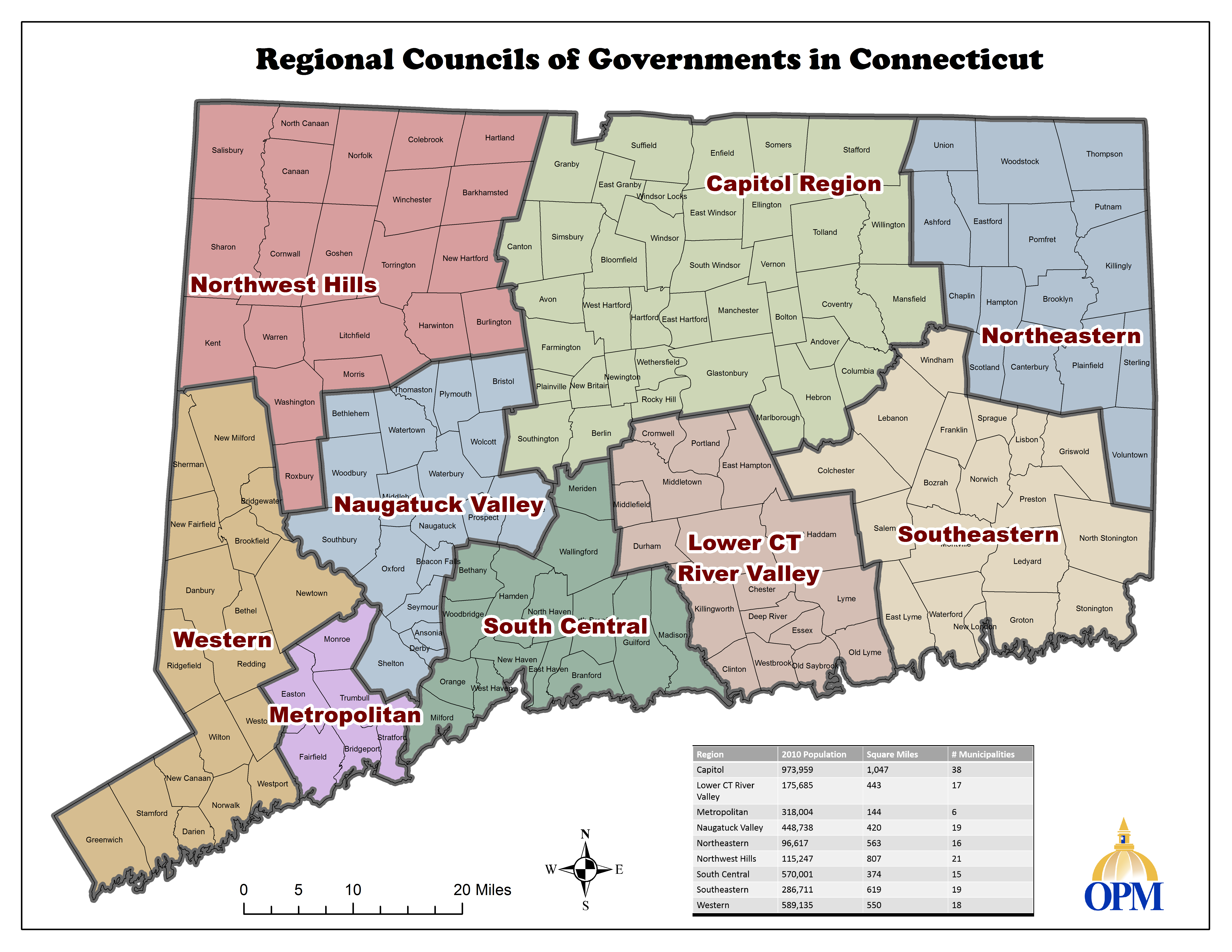
NOVEMBER 20, 2018 CCOGs


T.A.M.P. and the U.S. Census and funding entities
Karen Riemer, Transportation Assets Management Plan ("TAMP"). Questions/answers - go to website. Presentation was not in format for power point (fine with me!!!). Great point on A.C.S.

O.P.M.
How about it? What's up for equivalent of "counties" issue?. ACS could pick up changes one point.


SECOND TUESDAYS (NEW DATE) 9:30am
Adopted schedule for monthly meetings for 2019. Election of officers (new Chair. above right).
CTCOGS: We tuned "live" in for the last item and found that:
- Of the nine COG organizations, two were not present and one more was on speakerphone.
- There was agreement to meet on Tuesdays in 2019 but the 2nd Tues.
- No agreement about whether they would meet every month and
- One suggestion that they alternate meeting around the state and not meet at the L.O.B. every time...
Watched the meeting in full as a re-run.
FWIW - Do you know why they meet at the L.O.B. in Hartford at all? Do the math! Below some backup material...

In case you needed further evidence...
So depressing - not the Pew report, but the fact that the CT COG
wants to meet in locations other than L.O.B. Don't they see their
new funding source, the State-wide car tax, coming?
CT ASSOCIATION OF COUNCIL'S OF GOVERNMENT meeting May 15, 2018 at the L.O.B.

DONKEYS TOO - TRANSPORT ANIMALS HAVE A FUTURE IN CONNECTICUT
Having watched the meeting in full I am reminded of where regional planning works well - when problems cross borders and take lots of $$..


CROG (LEFT, STAR)
This was a long discussion about how best to divide the money in the newly adjusted CT budget. OPM wanted to know in a few weeks. CROG had its ideas.
- WestCOG reports staff departures because cost of living in Fairfield County too high and rural regions need every penny for "matching" any grants
- Just our thought: This all reminds me of a way out from under mandated uniformity from Hartford. Until and unless HB5045 with lots more teeth passes, nada happens.
- Actually, I'll bet that
the next step - oops, there is an election coming, so hold that thought -
is to reconstitute regional boundaries merging 9 regions into 5 - along
"county" lines..


"Work with ACIR" on the one hand, and apply for LOCIP directly (faster turnaround but more subject to politics???)
Deck chairs on the Titanic meeting - which has a connection to the underlying meaning of Connecticut Regional Planning - transportation rules, even with COGs only.

Town don't have to wonder until next year...
Council of Small Town reports on the Session...we tuned in at the very end of live broadcast. Watch it in its entirety the next morning on CT-N.
Sec. 563 & 564 of the Implementer more unfunded mandates? (JMO). I think they missed some stuff...
________________________________________________________________________________________________________________________________________________________________
CT ASSOCIATION OF COUNCIL'S OF GOVERNMENT meeting February 20, 2018 at the L.O.B.


DOOM & GLOOM FROM SEC'Y. BARNES (L)
Very sad. Cut, cut cut (65%) spoken by another COG; Regionalization at stake (speed of it). Smaller regions speak of their successes.

CCROG 46 towns we think.
15% dues 40% state transportation $$. Increased dues over and over. CTDOT cuts coming. More than a million people in CCROG. Back office initiatives. Front end investment property - he
agres with Francis.

WestCOG
- Seed money for studies not gonna happen (my impression).
- Established way to seek outside money.
- Be allowed to be considered equivalent of county government for purposes of grants.
Meeting adjourned (@one hour) - we tuned in live maybe 10 minutes in....
________________________________________________________________________________________________________________________________
CT ASSOCIATION OF COUNCIL'S OF GOVERNMENT meeting January 16, 2018 at the L.O.B.


MEETING 55 MINUTES!
At the left, CCOG Chair. for 2018 - southeast CT State Senator attends. Council of Small Towns Executive Director issues warning.

DIRECTORS ALSO WANT TO MAKE THEIR VOICES HEARD HERE, TOO.
Regional directors chime in on M.O.R.E. Commission and other entities whose recommendations have been dwarfed by fiscal reality.


WESTON IS A MEMBER OF WESTCOG
Great give and take over whither or wither state funding will go and who's making decisions now?

OF HELP TO ITTY BITTY TOWNS
Regional elections staff not funded by Sec'y of the State's Office. (This actually came first.)
Adjourned five minutes early!!!
______________________________________________________________________________________________________________________________________________________________


LOVELY IDEA FOR A CONNECTICUT NOT IN CRISIS
A.P.A. as an organization presentation about how to reintroduce planning into communities. We note one of the regional planners mentions he is no longer a member of A.P.A.

A.P.A.
Looking for a place itself now that regional planning may be at odds with local plans.and other entities who do the actual implementation.


THE STATE OF CT
Considering that no one knows what will be in the Implementer, OPM correct in not answering; OFA more able to reply, since the obvious answer is "it has to balance."
BREAKING NEWS: "...A proposal to repeal municipal property taxes on motor vehicles starting in July 2018 was stripped from the plan after city and town leaders objected to the loss
of $800 million in revenue with no state plan to compensate for the loss. But legislative leaders said the state cap on motor vehicle taxes would rise from 37 mills to 39 this fiscal year,
and to 45 mills in 2018-19..." Quote from CT MIRROR 10-25-17.

News of desire by municipalities for regional cooperation (where it saves $$) from WestCOG; others.
Those around the table note from experience that regions should not hold their breath waiting for funding. The regional planner who mentioned that he was no longer
an A.P.A. member reminded all those present that regional planners that @80% of their budgets were from local contributions and Federal $$, not from CT. Next meeting Nov. 21.
_______________________________________________________________________________________________________________________________________________________________
CONNECTICUT ASSOCIATION OF COUNCILS OF GOVERNMENTS; CT ADVISORY COMMISSION ON INTERGOVERNMENTAL RELATIONS
Planners (staff) at COGs and invited guests; appointed members of State body - "ACIR"


And how about State-Local Planning discussions in other corners of the bureaucracy?
CT COGs JUNE 20, 2017
Chair. of CCOGs
Well, that was a good meeting to watch on CT-N this morning!
Now we understand what is happening to data collection and why one can't rely on "surveys" even using government data anymore!
- The more robots make the calls directed by programs, the simpler it becomes...
- But I want to know what the algorithm says!
- What is the replacement protocol?
- Weighting factors?
- Data return % reliability?
Look for next week (parties in the budget building meeting elsewhere as this very time, lobbyist reports...)
ITEM #1


INVITED TO SPEAK
Data and surveys. To be provided regionally (not free).
ITEM #2 - STATUS OF THE BUDGET (PLANNING GRANTS); BUDGET RECISION; SWEEPS
O.P.M.: No R.T.I.P. (regional transportation planning) grants going forward. Municipal Revenue Sharing? No but you never can tell (my words here).

C.O.S.T. - car tax, town aid road (in bond package); MBR - same amount for education (high performing districts) expires June 30 - Legislative Leaders meeting today...

RPOs - (our summery of what he said) - C.G.A. wave of the pen, but requires real union reforms to accomplish. Which is why "regional efficiencies" are chimeras.

C.C.M. says towns could always send out extra tax bills - the issue is reopening budgets if there isn't enough money to cover it.
Meeting ended after the one hour limit.
_______________________________________________________________________________________________________________________________________________________________
CT ASSOCIATION OF COGS IN THE GLARING LIGHTS OF CT-N, FRONT AND CENTER
Jan. 17, 2017
Meeting begins - Jim Butler, Chair.
LEGISLATIVE AGENDA

LISTENING AND WAITING HIS SPOT TO REMARK ON LEGISLATIVE MEETING OF WESTCOG
Consolidate health districts: Not going to go forward this Session. 2nd draft with COG (72 to 9 Health Districts). Crumbling foundations issue especially in eastern part of state.
New Jersey planning model; CT Tourism. Aerial photos statewide reported has delay.

OUT OF EASTERN CT STATE COLLEGE - Remember them from "Energy Improvement District" study many years ago?
New State Plan of C&D/ Sustainability working together. Working with DOT. Regional informational meeting ready for its close up Mr. DeMille in the Fall.2017. New Jersey a model for sustainability...

O.P.M.
Discusses new 2nd draft of CT Plan of C&D and hopes to share - up on OPM website, we think we heard...certainly CROG said whatever they are thinking about is on theirs!.

C.O.S.T. ("Council of Small Towns")
Quotes ACIR number of towns over 2% budget increase level - how to deal with regional meetings in conjunction with COGs
Jim Butler for President!!! Meeting over in an hour!!! Awesome!!!
Feb 21st next meeting, 9:30am
______________________________________________________________________________________________________________________________________________________________
In the L.O.B. so the Planners can get their message out:
REGIONAL PLANNING AND THE NEXT STATE PLAN DISCUSSION


CT STATE PLAN: Discussion.

Even Bridgeport doesn't want weighted voting - only Hartford does.


COUNTIES COMING BACK?


Legislative agenda to be approved at December meeting by telephone, 1:30pm...
_____________________________________________________________________________________________________________________________________________________________
P&Z CONVERSATION SATURDAY (10:30am to after 1:30pm) DRAWS A LOT OF...CONVERSATION - WOOF!!!
What should the objectives of the new plan be?


PRIORITIES PRIORITIES...WHAT DO PEOPLE WANT FOR A PLAN IN 2017?


OK...lots of photos and we left early (after almost three hours). First announcement by P&Z chairman (right at right, above) - "This is not the dog park public hearing."

We don't envy the Town TV guy Richard - he has a two camera, three and one half hour video to edit - with no lunch break during video job, either.
Editing must be done in real time - we can't pay him enough for this!!!


WHY NOW?
First step in drawing a new Plan is reviewing old Plan implementation recommendations. P&Z Members sit together in the front row. Report: Strategic Planning Committee working with P&Z.

The center of Town...and more than a few ideas offered.
One of the things we did not say when we got a chance to speak was that both the Weston Center and Cobb's Mill Inn preceded zoning - and we think still have non-conforming status...


D&O ADDENDUM NOT ADOPTED IN 1976. ALWAYS IMPORTANT COMMENTS BY WESTONITE AND NEIGHBOR HARKENS BACK TO DOMINSKI-OAKROCKSTUDY (R.).
Consultant for P&Z (l.) speaks to his early connection to Weston "Sewer Avoidance" program & policy that was a regional mandate way back when (HUD foresaw running out of $$ to build more infrastructure).

THIS WAS A POPULAR THING TO TALK ABOUT
It grabbed the attention of Westonites who didn't seem to care about the ATBM where they could have saved some $$ had 130 shown up - lots more than an ATBM quorum came out for this!


No sewers no public water arguments. (C) Mother of student at W.H.S. who persuaded me regarding sustainability ideas @2002 or perhaps earlier!
This is an oversimplification of the subtext of what these particular Westonites said, but you get the general idea! Consultant reported CT DPH and DEEP are trying to loosen up tertiary treatment
and I would hope if they do that, also permit reuse of product of tertiary treatment product for lawn watering???

Nothing to do argument (several of those)
Sometimes you wonder why folks move to a town and then want to change it into...Westport...Weston is for people who don't like to argue in public unless they have to.


CLUSTER ZONING BY ANY OTHER NAME IS STILL...CLUSTER ZONING...No one supported it while we were there but did comment on aversion to any change.
Cluster speaker number one. We did not hear anyone supporting the suggested use of remaining 10 acre parcels - by the way this was an egregiously inaccurate map (i.e. Nature Conservancy?)
If we recall correctly. the Town purchased the development rights to all of the Nature Conservancy property, paying "open space" prices some time @1987).


NOT WHAT THEY SAID BUT WHAT WE HEARD
(L-R) Questions: Why necessary? Remarks that his Mom always believed change happened. We've got a problem $$; don't throw the baby out with the bathwater; no selfishness please (directed to
new generation); what the heck do you think you are going to accomplish? We left at this point, before opponents and proponents to another project got to speak (@1:20ish pm).
We could tell the meeting was going on longer than the high school expected because automatic climate control in the Auditorium went into icy temperatures @12 noon.
_______________________________________________________________________________________________________________________________________________________________


IS WESTON STILL RURAL EVEN THOUGH IT IS ALMOST BUILT OUT? WE SAY "YES" IF YOU USE A POPULATION DENSITY MEASURE (less than 1000 person per sq. mile)...HOWEVER, SINCE
WE ARE IN AN M.S.A. (U.S. Census metropolitan area), WE CAN"T USE THIS DEFINITION. SO HERE IS A GOOD THOUGHT PIECE FROM ELSEWHERE TO CONSIDER:
[*PG583]CARRYING CAPACITY AND THE COMPREHENSIVE PLAN: ESTABLISHING AND DEFENDING LIMITS TO GROWTH
fyi - Jonathan Douglas Witten c.v.
Abstract: Natural and built resources have finite capacities for assimilating growth and associated impacts. The use of analytical tools such as carrying capacity analyses is recommended to assess
the cumulative impact of land development upon these resources. Once carrying capacity thresholds have been established, local governments should apply appropriate regulatory controls to ensure that
capacities are not exceeded. The application of carrying capacity tools is suggested in all jurisdictions, including states that do not mandate the preparation of comprehensive plans. The adoption of carrying
capacity regulations may trigger a regulatory takings analysis. Adoption of legislative actions to preserve carrying capacity limitations, however, are generally entitled to a presumption of validity. This is
contrasted with the use of adjudicative permits to assess assimilative capacity thresholds. While adjudicative permits allow for aggressive review of development in relation to cumulative impacts, their ad
hoc nature demands precise application by local governments.
FROM CONCLUSIONS:
...Perhaps the most important characteristic of carrying capacity limitations, however, is that they reflect the admission by local government residents and officials that their resources have limits. A
corollary admission is that once the carrying capacity of certain resources has been exceeded, financial investments may not provide an adequate remedy.97 The “fix” has come too late and was clearly
avoidable. It was avoidable by adhering to a plan for growth, which matched the limitations to growth, in the municipality and region.
--------------------------
TOMES FROM A.P.A.
https://www.planning.org
A BOOK READ IN ITS EARLIER FORM
https://www.planning.org/store/product/?ProductCode=BOOK_A01528
PLEASE VISIT THE LINK BELOW FOR UPDATED VERSION CHAPTER ON...VILLAGE CENTERS!
https://planning-org-uploaded-media.s3.amazonaws.com/legacy_resources/store/books/pdf/ruralbydesign2ed.pdf
______________________________________________________________________________________________________________________________________________________________
THE ROLE OF THE PLANNING AND ZONING COMMISSION IN A SMALL CONNECTICUT TOWN AND SOME OTHER ACTORS
SELECTMEN DID NOT AGREE, IIRC
Discussion of affordable housing and Selectmens' vision at March 12, 2009 Town Plan work session.
MONDAY APRIL 4, 2016 PUBLIC HEARING SCHEDULED, 7:15pm...now withdrawn.
Previous meeting (ATBM) of popular interest held at Weston High School Cafeteria below.


QUICK REFERENCE TO IMPORTANT DOCUMENTS
From the LWV of Weston website: http://www.lwvweston.org/#NEWS
-------------------
RECEIPT OF APPLICATION:
TOWN PLAN LAND USE MAP 2010 ABOVE
RECEIPT OF APPLICATION FOR ACTIVE ADULT COMMUNITY DISTRICT FEBRUARY 1, 2016
AT THE VERY SAME TIME THAT THE S.P.C. SUBCOMMITTEE, NO DOUBT INTERESTED IN THIS SUBJECT, (SENIORS), IS MEETING IN TOWN HALL...
Picture Story of zone change, scheduled for April 4, 2016 Public Hearing, location Weston High School Cafeteria.
P&Z Monday, Feb. 1, 2016 in the Town Hall Annex
Planning and Zoning discussion/decision on receipt of application for Zoning change - adding a new Sec. 323 - ACTIVE ADULT COMMUNITY DISTRICT (Special Permit category).
Agenda in full - we really intend to attend, this time! We will be reviewing the proposal and comparing it to the work of the P&Z on "Cluster Housing for Seniors" document draft 7/13/15.
WHO IS PROPOSING THIS?
Almost all of applicant team Weston residents.
Above, an example of what is being proposed, from a New Canaan (?) project example. Zone designed from how subdivision regulations in Weston are worded and structured; however, this is for a
new Zoning Regulation Special Permit at a "bedroom density." (Proposed 323A-9.1)
"BEDROOM" COMMUNITY?
Assuming as many bathrooms as bedrooms, or a relative figure we are not aware of, perhaps less than exists in regular subdivisions, the applicant's "4 bedrooms per gross acre" maximum density
(which is how this application sits right now) argues for being pretty darn close to densities achieved in the subdivision standards.
By the way, the applicant noted for the record that he was taking parts if not most of these very subdivision regulation and including these principles (we hope taking care to add more modern
detail on controlling and reusing run off) in the Special Permit proposal! What we note is that there are no size restrictions on houses in subdivisions, so this proposal is a big improvement - although
the building is large, it houses more units!
Bravo as well to the engineers who bravely require access on a State Highway - this limits intrusion into existing neighborhoods. Plus another bravo in advance for any studies presented comparing
water use in as scientific a way as no doubt will be presented regarding traffic. All in all, this is an opportunity for P&Z to apply modern road standards in the more pedestrian friendly mode than P&Z
would ever do itself!!!
CAREFUL APPROACH TO DEALING WITH THIS TO BE TAKEN, AS DATE FOR PUBLIC HEARING SET.
Will they, P&Z, want to hire their own experts to evaluate this, as Commissions have done in the past? Particular incidents where this was done mentioned, but we don't put these things online!
PUBLIC HEARING COMING MONDAY April 4, 2016
PREVIOUS SATURDAY - APRIL 2 - THIS WAS WHAT WENT DOWN AT KIWANIS: https://www.youtube.com/watch?v=XBhVwGC2cg8&feature=youtu.be
FANTASTIC LOCATION - NORTH IS TO THE LEFT - backs up to Tobacco Road- proposed water quality testing for new wells for same standard as in the Weston Water Study should be
offered or required.
ONE REQUIREMENT FOR THIS ZONE IS TO BE ON A STATE HIGHWAY (THE EXAMPLE, USING WATERBURY STREET, CONNECTS IT TO NEWTOWN TPKE) AND ANOTHER
IS TO HAVE A MINIMUM 15 ACRES.
Half-acre density proposed - or not?
How many sites in town would qualify? (We're working on this one to bring you an answer...) Not to get anyone too excited about our results, this number can be calculated using more than
one method - some suggested below:
Depending on the scale of this sample site map, this could be one long dead end? Or is there a way that a loop road can be developed off Route 53?!
- Based upon only suggested parameters of this applicant;
- Different standards entirely (i.e. regulating size of structures permitted in A.A.C.D.);
- Considering only present vacant land as suitable for calculating impact on development;
- Considering subdivisions built under @1984 subdivision regulations thru today as potential "A.A.C.D." sites;
Sec. 32A-15 UTILITIES: Looks to me as if it says - "private or public water supply and community onsite sewage disposal system will be used."
Is this because of the above noted density issue? Link to D.E.E.P. here: http://www.ct.gov/dph/cwp/view.asp?a=3140&q=387438&dphNav_GID=1828&dphPNavCtr=|#47142
NOTE: RETENTION, not just DETENTION, of storm water run off needed - especially because CT State Highway involved - need approval from
State Traffic Commission?
EXAMPLE OF RUN OFF PROBLEM - ELSEWHERE: http://www.stamfordadvocate.com/local/article/In-central-Stamford-Uphill-battle-against-water-6844141.php
RE-USE OF BARNS AS RESIDENCES - ELSEWHERE: http://www.greenwichtime.com/business/article/Historic-Greenwich-barns-turned-into-luxury-homes-6843032.php
CLUSTER PROPOSAL IN WESTPORT: http://www.westportnow.com/index.php?/v3/comments/text_amendment_proposes_cluster_housing/
MORE ON THE WESTPORT ITEM: http://www.westportnow.com/index.php?/v3/comments/daybreak_cluster_housing_debated_at_pz/
"...Others, including commission members, however, said the text amendment needed to be better defined. They said that the 3,200-square foot homes allowed were too big,
and that the permitted density made the proposal 'fatally flawed.'"
AND MORE...
Watch for how this works out - new zone proposed as explained by applicant, should be equated with corresponding as-of-right number of bedrooms in under-lying zone...
Meanwhile, back in Weston...Needs a second or emergency entrance anywhere. That's 30 homes within 6 structures (?) on 15 acres - on a dead end road?
Do they need a waiver for length of dead end road (sorry we didn't get to put a scale on the plan EXAMPLE shown to answer my own questions)?
How long is this EXAMPLE dead end road, if it is dead ended? Sec. 3.10 of the Subdivision regulations refer to 1500 feet as the length of a dead end road - is this a problem, and if not,
how many other properties might gain unsafe access? Or considering that "emergency access" is the concern, could another access be provided from Route 53 in a form similar to "overflow
parking design" (i.e. not paved or impervious surface}?
In the new Zone, then, what percent is impervious surface? 25% coverage proposed, we think, for NEW ZONE - too high? Does it require public water supply - would a common well do?
CONTINUITY AND KEEPING REGULATIONS UPDATED:
When introducing new, different growth pattern, it is important to protect underlying development's form. Sensitivity to grade changes, run off and site planning imperatives.
THE PARCEL BEING USED AN AN EXAMPLE BY THE APPLICANT IS ON THIS ARTISTIC BUT PERHAPS NOT ACCURATE TO ENGINEERING STANDARDS MAP ABOVE!
----------------------
..
CAPITAL PLANNING COMMITTEE gets input from various actors: The Town Administration, Finance Board, Education Board BUT NEVER IN RECENT YEARS FROM P&Z. In my professional experience, the Planning Commission should
be part of it! Fortunately, there are those who take a "global" view involved in the Capital Planning group.
THE RE-REFERENDUM - we now have a Referendum EVERY YEAR ("yes" or "no") on the Town and School and Capital Budget. Millions of dollars approved without one word of discussion at ATBM. How's that again? The budget is now
a private matter among friends and cronies since foolishly Charter Revision 2012, approved 2014, first made a quorum without specifying the number and then picked the number 130 voters. Never yet reached. So what that means is that your
favorite project can slip in unnoticed to any of the 3 budgets...and there is nothing anyone can do about it! Unless, of course, 130 Town Meeting voters show up for ATBM someday!
CAUTIONARY TALE HERE; How does what happened 20 years ago relate to today's issues?
PLANNING & ZONING MEETINGS ATTENDED: "Updates" and "Discussions" of interest to About Weston. Recorded is the first discussion on the subject of "cluster" zoning, including sound recording:
September 8, 2015.
ELSEWHERE ideas...adaptive reuse?
----------------
NOTE: About Weston a member of P&Z 1983 to 1990.
Weston Town Plan of Conservation and Development 2010-2020: About Weston's version below. A review how we went about our planning process...centrality still key?
In Weston, Connecticut, Planning is a Process. What P & Z did differently this time around...it is seeing beyond land planning and zoning...and here is a link to the P&Z final product.
Population migration A.P. story..."Last year, Connecticut had its first population loss since 2008. At the time, officials said the improving economy might partially be to blame because people postponed retirement during the last recession and
now they are able to retire, often to Florida. This year's statistics show that Connecticut lost 3,876 or -0.11 percent last year to a total population of 3,590,886..." and then there is the Weston story below:


TABLE OF CONTENTS:

"DENSITY IS DESTINY" DEPARTMENT, 2020, WESTPORT DIVISION
INFRASTRUCTURE (SEWERS, PUBLIC WATER IN THIS CASE) RELATED?
- Question: How many square feet of buildings on this property...as opposed to this property?
- Answer: Saugatuck area - 187 housing units (est. 400sqft each)
on maximum (if extra acreage had been purchased) of 8 acres; Beachside Ave. - one
home (11,000sqft) on 6 acres.
--------------------------
A topic that comes from classic Planning 101 play book..."if my proposal is turned down expect worse ones next."


- 2017 - Consider "density is destiny" - how does ZBA have a role to play?
- From Trout Brook Valley to Leon Lachat's barns, reasons why Weston rates high on any list!
- The
Saugatuck Reservoir, a major feature in our region - in U.S. Census
"TIGER"mapping
program.
- Weston Water Resources Guide preceded the...
- 2008 Kaestle-Boos Study and
- The 2010 TOWN PLAN OF CONSERVATION AND DEVELOPMENT
HARTFORD STORIES: OR THIS ONE ON ZONING (zoning implications) - http://www.courant.com/community/hartford/hc-hartford-scarborough-reopen-case-1028-20151027-story.html
PLANNING IN WESTON, CT
Regional picture;
Here is a link to Westport's new Downtown Plan, for an example of what another neighboring community is up to: https://downtownwestportct.files.wordpress.com/2015/07/dwmp_06042015_web.pdf
Next, what has changed since the last Plan? (As well as some of what has not changed...this research no longer online.)
Existing land use in Weston 2008; individual lot by lot, as well as newest data with our own analysis, both no longer online.
Goals for the new Plan; does Weston relate to new plan ideas for the State of Connecticut...or to Paris?
Objectives 2020: suggested new concept in neighborhood planning; energy use improvement in Town "superblock."
Implementation
Available maps online;
Data resources; and more resources; newly revived - About Weston's observation of what "went down"
On-line articles; use of aerial photography and digital mapping.
Instruction for doing your own Plan;
More on our process.


